
Regulation & Compliance · 2026-11-13
EUDR and Paper Packaging: Why an Empty Carton Is Different
Two identical cartons can take different paths into the EU. Before asking for a compliance certificate, establish what is being sold, how it is classified and which actor is responsible.
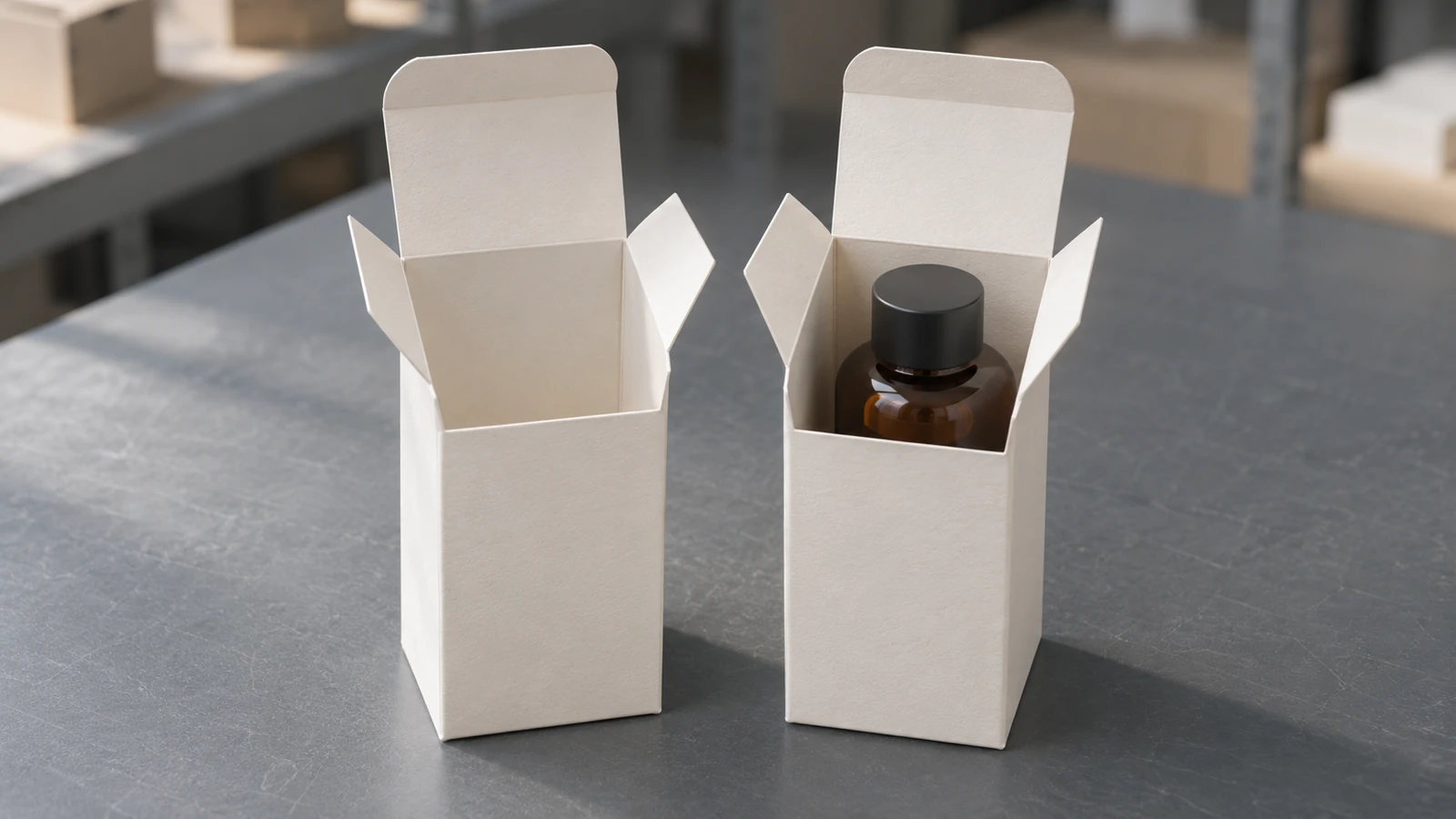
Imagine a cosmetics brand buying empty folding cartons for a packing line in the EU. Now imagine the same carton arriving around a bottle of lotion. The paperboard may be identical, but the buyer should not assume the same EU Deforestation Regulation (EUDR) treatment. The first shipment contains packaging sold as a product; the second may contain ordinary packaging classified with the goods it protects.
The distinction is worth checking now. Cepi's revised pulp-and-paper guidance, covered by Paper Advance on 6 November, explains how the sector interprets the rules. The European Commission's EUDR page links to the consolidated regulation and lists its application dates. As of 13 November 2026, the Commission lists 30 December 2026 for large and medium operators and traders and for micro and small operators already covered by the EU Timber Regulation; it lists 30 June 2027 for other qualifying micro and small operators. Check the actor's status and the applicable rules for the actual shipment.
Compare the transaction before comparing the boxes
The European Commission's guidance (Notice C/2026/3896, section 6(a)) distinguishes packing sold as a product in its own right from ordinary packing presented with and used only to carry or protect other goods. See also question 2.5 in the Commission's EUDR FAQ. Start with these three scenarios:
- Empty cartons bought for an EU packing line. The cartons are the goods being supplied. If classified under heading 4819 and made with relevant wood material, they can fall within scope; verify the classification, composition and actor's role before quoting or importing.
- A standard carton presented with a bottle inside. If it is ordinary packing classified with the bottle and used exclusively as packing, the guidance treats the carton as outside EUDR scope for that use. The contents still need their own assessment. Being on the same invoice does not settle classification.
- Paperboard sheets bought for conversion. The transaction is for the board, not the eventual carton. Check the sheets against Annex I and their actual fiber composition. Do not transfer the treatment of ordinary packing around a finished product to a separate purchase of board.
A separately classified container that gives the combined product its essential character can be treated differently from an ordinary folding carton. Ask your EU customs or compliance team to validate the classification for specialty gift packaging, separately supplied components or any borderline case. These scenarios are a procurement guide, not a classification decision.
Check what the board contains and what the evidence covers
Section 6(b) of the Commission guidance distinguishes products made entirely from qualifying recovered material from in-scope products with non-recovered inputs such as virgin wood pulp. A carton with recycled fiber is not automatically outside scope. For a board with several layers, request the fiber basis for the exact grade, including whether any layer contains virgin wood pulp. Verify what the mill's records cover and how the evidence follows the lots delivered. A broad description such as “recycled board” does not answer those questions.
If the EU importer confirms the shipment is in scope, have its compliance team specify the data required for its role. For example, Article 9 identifies origin, wood species and plot geolocation among the information operators may need to collect for relevant wood products under the ordinary due-diligence route. A supplier declaration or voluntary certificate may support evidence gathering, but neither replaces the applicable obligations. Confirm who checks and submits what before booking freight.
Put four fields in the request for quotation
- Goods and presentation: state whether the order is for board sheets, empty cartons or a filled product. Include the proposed customs classification for the importer to confirm.
- Material: identify the exact grade, mill if known, layer construction and documented virgin or recovered fiber basis. Ask what changes require advance notice.
- Shipment and responsibilities: record the EU destination, expected market placement and the legal entity responsible for import and compliance review. Do not assume freight terms alone determine that role.
- Records: agree which documents are needed before order approval and which lot-linked records must be available before dispatch. Use a secure channel for sensitive supplier data.
For a board purchase, share the intended application and specifications when comparing folding boxboard and packaging and printing options. You can send the purchase details to YOUNGSUN PAPER to discuss the grade and what documentation is available for that order. Your importer or qualified adviser should confirm the regulatory scope. EUDR addresses deforestation-related due diligence; it is not a substitute for a separate assessment under the EU's Packaging and Packaging Waste Regulation.
Frequently asked questions
Does every empty paper carton fall under EUDR?
No. Sale as a product in its own right is one factor. The applicable classification, relevant material and any exclusions still need to be checked.
Does a carton leave EUDR scope just because a product is inside?
Not automatically. The Commission guidance refers to ordinary packing presented with the goods, used exclusively as packing and classified with those goods. The contents and separately classified containers require their own checks.
Is a carton with recycled content automatically excluded?
No. Confirm whether the relevant fiber is entirely qualifying recovered material or whether it includes non-recovered inputs such as virgin wood pulp. Check the evidence for the grade and shipment.