
Regulation & Compliance · 2026-10-21
Under 1 Tonne of Packaging? The EU EPR Relief Many Exporters Cannot Use
A new Council position mentions a one-tonne threshold, but it is not a general EPR exemption and it does not give every non-EU exporter the same relief. This buyer guide separates the proposal from the obligations that remain.
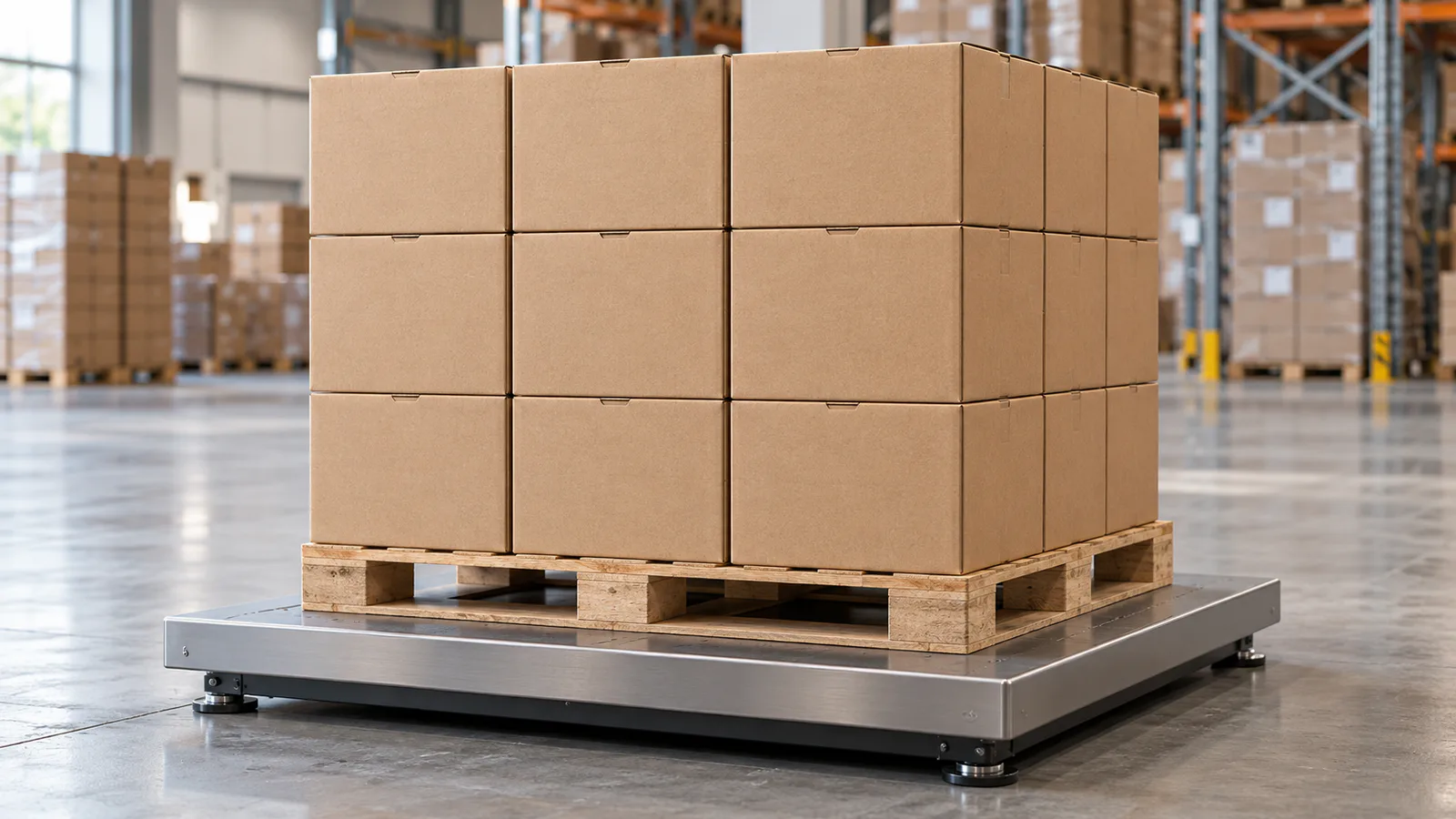
On 21 October 2026, the Council of the European Union agreed its negotiating position on a targeted change to the Packaging and Packaging Waste Regulation (PPWR). The headline is attractive: a producer making less than one tonne of packaging available in another EU member state in a calendar year may not have to appoint an authorised representative there.
But that sentence can be dangerously shortened. The Council text is a negotiating mandate, not final law. It concerns one administrative duty, not all extended producer responsibility (EPR) obligations. Most importantly for overseas suppliers, the proposed suspension is written for producers established in an EU member state. The Council mandate says the current provisions for producers established in third countries should remain.
For a paper packaging exporter, importer or brand, the useful question is therefore not simply “Are we under one tonne?” It is: which legal entity is the producer, where is it established, in which member state is the packaging first made available, and which duty is being assessed?
This article provides a procurement and documentation framework, not legal advice. Confirm the final rules and country-specific obligations with the competent national authority or a qualified adviser.
What the Council Actually Agreed
The Council negotiating mandate dated 21 October 2026 would suspend the application of Article 45(3) of Regulation (EU) 2025/40 for a producer established in one member state when that producer makes less than one tonne of packaging, including packaging of packaged products, available for the first time in each other member state during a calendar year.
The proposed suspension would run until 1 January 2032. The Commission would review its duration by 31 December 2030. A national authority could also require an authorised representative if an exempted producer breaches its EPR obligations.
The presidency must now negotiate with the European Parliament. Until an agreed text is adopted, published in the Official Journal and enters into force, buyers should not treat the Council position as an operative exemption.
| Question | What the Council position says |
|---|---|
| Is this final law? | No. It is the Council's mandate for negotiations with Parliament. |
| What is the threshold? | Less than 1 tonne per calendar year in each other member state. |
| Which duty is affected? | The duty for an EU-established producer to appoint an authorised EPR representative in another member state. |
| Does it cancel all EPR duties? | No. The safeguard clause expressly refers to continuing EPR obligations. |
| Are third-country producers included in the relief? | The mandate says existing provisions for third-country producers should remain. |
The One-Tonne Figure Is Not a General EPR Exemption
The proposal does not say that a business below one tonne can ignore packaging registration, reporting, fees or national producer-responsibility rules. It suspends one appointment requirement for a defined group of EU-established producers.
That distinction affects contracts and quotations. A buyer should separate at least four questions:
- Who is the producer under the PPWR and applicable national rules?
- Must that entity register or report packaging in the destination state?
- Must it pay EPR fees or join a producer responsibility organisation?
- Must it appoint an authorised representative for those duties?
An answer to question four does not automatically answer the first three.
Why Non-EU Exporters Need Extra Caution
The Council mandate explains that enforcing obligations against producers established in third countries is more difficult. It therefore keeps the existing PPWR provision under which member states may require third-country producers to appoint an authorised EPR representative when they make packaging or packaged products available in that country for the first time.
For a Chinese paper packaging supplier, direct-to-consumer seller or brand exporting into Europe, “below one tonne” should not be used as a universal compliance statement. The result may depend on the transaction route:
- an EU importer may become the relevant producer for a particular flow;
- an EU subsidiary may sell from one member state into another;
- a non-EU seller may supply end users directly;
- a marketplace or fulfilment structure may change the factual chain;
- the same group may have different responsible entities in different countries.
Map the legal entities and sales route before applying the threshold.
Five Definitions to Fix Before Counting Weight
1. Producer
Record the legal entity, not only the brand name. The producer for EPR purposes may differ from the paper mill, converter, packer or trademark owner.
2. Establishment
Confirm the country where that legal entity is established. The proposed relief is tied to a producer established in one EU member state and activity in another member state.
3. Destination Member State
The Council text describes the threshold by each other member state, not as one combined EU total. Keep a separate country ledger rather than one Europe-wide figure.
4. Packaging Made Available for the First Time
Identify the transaction and date on which the packaging or packaged product is first made available in that territory. Do not count only warehouse dispatches without checking the legal event the rules use.
5. Packaging Weight
Confirm which components enter the country calculation. Primary, secondary, transport and e-commerce packaging may all matter. Ask the relevant authority or scheme how returns, reusable packaging and mixed-material components should be treated.
Use a Country-by-Country Weight Ledger
Do not wait until year-end to discover that a small launch crossed the threshold. Build a monthly ledger for every destination member state.
| Field | Minimum record |
|---|---|
| Responsible legal entity | Registered company name and country of establishment |
| Destination | Member state where the pack is first made available |
| Product and SKU | Commercial code linked to the approved packaging BOM |
| Packaging components | Primary, secondary and transport items |
| Unit weight | Verified weight by material and component |
| Units placed on market | Monthly quantity with source document |
| Cumulative weight | Year-to-date total by destination state |
| Evidence owner | Person responsible for invoices, BOMs and reports |
| Threshold alert | Internal warning before the total approaches one tonne |
For example, 700 kg in France and 700 kg in Spain should not automatically be combined into 1.4 tonnes for this specific threshold, because the Council mandate refers to each other member state. However, both country files still need their own role and EPR review. A 1.2-tonne flow into Germany would be above the proposed threshold for Germany. These examples illustrate the Council text only; final legislation and national implementation must be confirmed.
What to Request From the Paper and Packaging Supply Chain
The packaging producer needs traceable inputs. Add these fields to the RFQ and technical approval file:
- exact paper or board grade and specification revision;
- grammage, dimensions and agreed tolerance;
- finished component weight from the converter;
- coating, extrusion or lamination description;
- ink, varnish, adhesive and window material where relevant;
- unit weight for labels, inserts and closures;
- secondary and transport packaging weights;
- change-notification rule after approval;
- FSC transaction claim when certified sourcing is ordered;
- food-contact documentation for the specified grade and intended use where applicable.
FSC certification supports responsible fibre sourcing and chain of custody. It does not replace EPR registration, reporting, fee or authorised-representative analysis.
YOUNGSUN PAPER can support the material record for grades such as folding box board, kraft paper, label paper and food-packaging paper. The finished packaging producer and compliance team should complete the component weights and country-specific EPR file.
Four Contract Controls to Add Now
Name the compliance owner
State which party confirms the producer role, registration, reporting, fees and any representative appointment in each destination market.
Require packaging data before launch
Do not approve a pack based only on appearance and unit price. Make the BOM, component weights and specification revision part of launch readiness.
Add a threshold warning
Require the sales or compliance system to alert the owner before a country total approaches the internal trigger. Use a safety margin rather than waiting for exactly 1,000 kg.
Control substitutions
A lighter board, new coating, larger carton or changed transport pack alters the weight ledger. No material substitution should enter production without updating the BOM and EPR data.
Do Not Redesign Around a Proposal
The one-tonne threshold may be commercially relevant, but it is not a packaging performance target. Do not weaken a carton, reduce a food barrier or choose an unsuitable grade merely to remain below a proposed administrative threshold.
First choose a structure that protects the product and runs on the converting line. Then optimise material use and document the finished pack accurately. The European Commission's PPWR overview confirms that the regulation covers all packaging placed on the EU market and includes requirements across the packaging lifecycle.
For the broader role-mapping process, use our PPWR EPR paper packaging buyer checklist. To review paper grades and available documentation for a project, send the destination markets, structure and converting process to our team.
Frequently Asked Questions
Is the one-tonne relief already in force?
No. On 21 October 2026, the Council agreed a negotiating mandate. The presidency still needs to negotiate with the European Parliament, and any final regulation must complete the legislative process before it applies.
Does less than one tonne remove EPR fees and reporting?
No. The Council position concerns the appointment of an authorised representative for certain EU-established producers. It is not a general exemption from EPR obligations.
Is the threshold one tonne across the entire EU?
The Council mandate describes less than one tonne per calendar year in each other member state. Maintain country-level records and confirm the final adopted wording and national procedures.
Can a non-EU exporter rely on this proposed relief?
Not automatically. The Council mandate states that the existing provisions for producers established in third countries should remain. Confirm the producer role, transaction route and destination-country requirements.
Can the paper supplier decide who is the EPR producer?
No. The supplier can provide material specifications and traceability data. The legal role must be assessed from the applicable rules and the commercial flow.