
Packaging & Procurement · 2026-10-25
Switching the Outer Wrap to Paper? Keep These Two Specifications Separate
An outer paper wrap and the sealed pack inside it do different jobs. A recent industry development highlights a purchasing trap: ordering the base paper as though it already carries every property of the finished package.
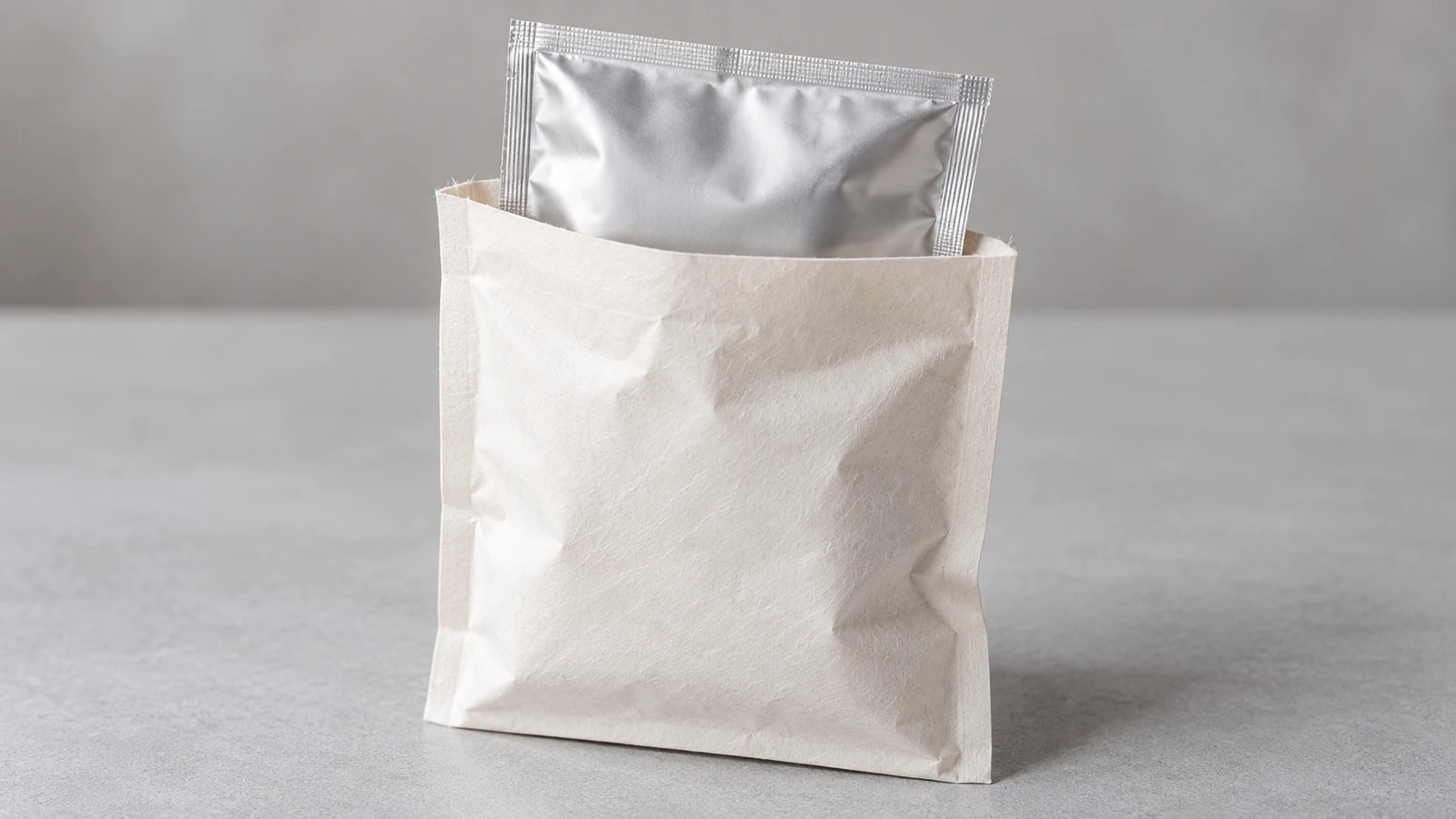
For secondary paper packaging, specify the incoming paper and the converted outer wrap separately. The paper specification controls what enters production; the finished-wrap specification defines what must work after coating, printing, folding and closing. Neither replaces the performance requirements of the inner package.
On 20 October 2026, UPM announced a secondary-packaging development with Siegwerk and Uteco. The partners combine a base paper, functional coating and application technology, while retaining the primary pack's protective role. This is a specific supplier project, not evidence that ordinary packaging paper offers the same performance.
For buyers, the useful lesson is about purchasing responsibility. Before requesting a quote, decide whether the deliverable is an unconverted paper reel, a coated and printed web, or a finished outer package. A quotation that does not identify that boundary is difficult to compare and risky to approve.
Define what the outer paper actually has to do
In this article, the primary package is the inner pack that contains the product; secondary packaging is the outer layer around one or more primary packs. A shipping case is a further component and should not be assumed to perform the same job.
Write one sentence describing the outer layer's function: group units, carry graphics, reduce abrasion, protect against specified handling exposure, or provide a particular opening experience. Then list which functions remain with the inner package. Avoid the vague instruction “replace plastic with paper” without saying which plastic component and which job.
Consider an illustrative project: a sealed inner sachet placed inside a printed paper overwrap. Keeping the inner sachet unchanged may simplify the change, but it does not remove the need to check how the new outer material interacts with it. Abrasion, forming pressure and closing heat may affect the assembled pack. This is a planning example, not a tested YOUNGSUN product.
Specification 1: the paper entering the converter
The material order should identify the grade, supplied condition and measurable acceptance requirements. Useful fields include:
- Paper grade, supplier reference and whether it is uncoated, coated or otherwise treated.
- GSM, caliper and agreed tolerances, with the test conditions used for comparison.
- Reel width, core size, maximum reel dimensions, winding and splice requirements.
- Intended print face, surface treatment and the converting process it must suit.
- Storage, conditioning, identification and lot-traceability requirements.
Separate declared values from values still awaiting trial confirmation. Do not copy a test number from another grade simply because both papers are white or have the same GSM.
MG white kraft paper and other kraft paper grades can be starting points for a material discussion. Their names alone do not establish heat-sealability, moisture protection, compatibility with a coating or suitability for a finished packaging system. Ask about the exact grade and intended process.
Specification 2: the finished outer wrap
This document describes the converted article that the packer will use. It should reference the approved drawing and bill of materials, including coatings, inks, adhesives and any additional layers. Define where material is applied, how the package closes, how it opens, and what counts as an unacceptable defect.
Siegwerk's coating portfolio distinguishes barrier functions from heat-seal functions. That distinction matters in a purchase order: a surface that resists one exposure is not automatically a validated closure system. Ask the converter and coating supplier to identify the selected formulation and its qualified operating conditions.
| Requirement | Paper supplier input | Converter or packer evidence |
|---|---|---|
| Incoming material | Grade identity and agreed paper properties | Receiving check against the approved lot |
| Printed appearance | Intended face and available surface data | Printed reference on the actual material |
| Closing method | Suitability information for the proposed process | Seal or adhesive trial on the complete structure |
| Handling performance | Relevant material data | Packed-unit checks under agreed conditions |
| Environmental claim | Accurate supplied composition information | Evidence covering the final construction and intended market |
Treat this table as a responsibility map, not a universal test standard. Assign named owners and agree the evidence needed for your particular application.
Approve the handover, not just the sample
A neat hand-made sample can answer questions about appearance and fit. It cannot establish a production operating window. For a line trial, record the exact material lot, coating or adhesive identity, machine setup, run conditions and rejected-pack count. Include start-up and restart observations, not only a short stable run.
Compare candidate and reference packs using the same conditions. Examine seams, folds, corners and contact with the inner pack. If the change affects a protective function, ask the responsible packaging team to define the additional performance work. Do not invent a universal line speed, seal temperature or pass limit: those depend on the equipment, structure and application.
Before approval, decide who can authorize a substitution. A change to paper grade, coating, adhesive, printing or dimensions should trigger a documented review of the affected requirements. Keeping the commercial product name unchanged does not make two constructions identical.
Keep recycling evidence specific to the construction
An attractive paper surface is not enough to justify a recycling claim. Ask whether the evidence covers the final printed and coated construction, which test method and version were used, and which recycling process was evaluated.
The 4evergreen Recyclability Evaluation Protocol distinguishes conventional, flotation-deinking and specialised processes. Technical assessment and actual collection access are separate questions. Check destination-market collection and sorting before choosing consumer disposal wording. This article does not establish regulatory compliance or a recycling result for any YOUNGSUN grade.
A quotation brief you can send today
Use the following structure to make supplier responses comparable:
- Deliverable: base paper, converted web or finished outer package.
- Pack relationship: what is inside, and which protective functions the inner pack retains.
- Material and format: candidate grade, required dimensions, print side and known tolerances.
- Conversion: printing, coating, adhesive or sealing process, with the responsible converter identified.
- Acceptance: approved drawing, appearance reference, functional checks and trial approver.
- Commercial scope: quantity, destination, delivery basis, included processing and excluded services.
- Change control: which substitutions require written approval and updated evidence.
YOUNGSUN PAPER can discuss candidate paper grades against this brief. We do not claim to supply the UPM/Siegwerk/Uteco system described above, and this article does not imply a partnership with those companies. For finished coating or sealing performance, involve the responsible converter and technology supplier.
Send your material brief to our team, or explore packaging and printing applications. Standard samples are free; the customer pays international courier charges. For comparing commercial responses, use our paper quotation checklist.
Frequently asked questions
Can ordinary MG paper be ordered as a heat-sealable outer wrap?
Not on the basis of the MG name alone. Specify whether you are buying base paper or a finished treated structure, and obtain evidence for the intended closing process.
Does keeping the inner package mean no new testing is needed?
No. Review interactions between the new outer layer, the inner package and the packing line. Define tests according to the functions and exposures affected by the change.
Which supplier should guarantee the finished package?
Agree responsibilities in the purchase specification. A paper supplier's material data does not replace the converter's process evidence or the packer's validation of the complete system.
What should I request before approving a material substitution?
Request the changed specification, affected drawing or bill of materials, revised supporting evidence and the trial decision. Approve against the intended use, not only colour and GSM.