
Design · 2026-07-26
Silver Card Paper: Modern Elegance for Electronics, Cosmetics, and Premium Branding
Silver card paper communicates modernity, precision, and technical excellence. This guide covers silver metallic paper grades, foil vs. coating comparisons, and applications across electronics, cosmetics, supplements, and contemporary branding.
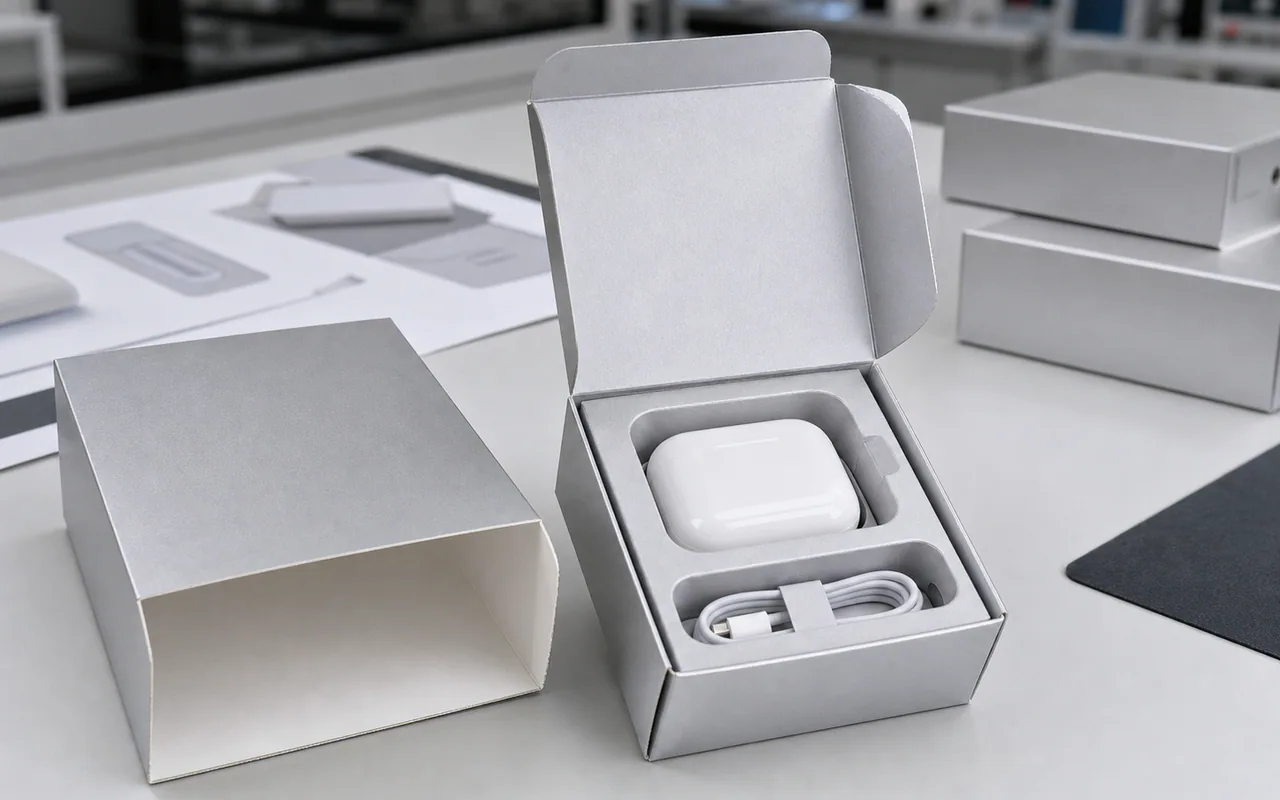
If gold is the color of tradition and luxury, silver is the color of modernity and precision. Silver card paper signals technical excellence, contemporary design, and understated sophistication. It is the metallic of choice for electronics packaging, modern cosmetics, health supplements, and any brand positioning itself as clean, precise, and forward-looking.
This guide covers everything buyers and designers need to know about silver card paper — from manufacturing methods to design strategies and sourcing specifications.
What Is Silver Card Paper?
Silver card paper delivers a brilliant silver metallic surface through one of two manufacturing processes:
1. Silver Foil Lamination
A metallic silver PET film is thermally bonded to the paper or board substrate under heat and pressure. Produces the most reflective, mirror-like silver surface.
Characteristics:
- Mirror reflectivity — closest to actual metal appearance
- Excellent surface durability and moisture resistance
- Available in bright silver, brushed silver, and matte silver
- Can be laminated on one or both sides
- Compatible with overprinting, debossing, and spot UV
2. Silver Metallic Coating
A silver-pigmented coating applied to the paper surface and cured. Less reflective than foil lamination but more economical and more printable.
Characteristics:
- Satin metallic sheen (not mirror)
- Lower cost than foil lamination
- Better ink adhesion for overprinting
- Available in a range of silver tones (bright silver, gunmetal, pewter)
Which to Choose?
| Requirement | Foil Laminated Silver | Metallic Coated Silver |
|---|---|---|
| Mirror reflectivity | ★★★★★ | ★★☆☆☆ |
| Cost | $$ | $ |
| Ink adhesion | Limited | Good |
| Best for | Maximum impact, tech products, premium events | Large areas, catalog covers, supplement packaging |
Applications: Where Silver Card Paper Excels
Electronics & Technology
Silver is the dominant packaging color for consumer electronics — smartphones, tablets, headphones, smartwatches. It communicates precision engineering, cutting-edge technology, and premium build quality. Silver card paper is widely used for electronic product boxes, insert cards, and accessory packaging.
Health Supplements & Wellness
Silver packaging has become the standard for premium supplement brands. It signals purity, clinical quality, and scientific credibility. Silver foil accents on white or minimalist supplement boxes differentiate premium products from mass-market alternatives.
Modern Cosmetics & Skincare
While gold dominates traditional luxury cosmetics, silver is the choice for modern, science-led beauty brands. Silver card packaging for serums, creams, and treatment products communicates clinical efficacy and contemporary aesthetics.
Wine & Spirits
Silver foil on dark backgrounds — particularly midnight blue, charcoal, and black — is a signature of premium spirit packaging. Silver communicates cool elegance, appropriate for vodka, gin, white wine, and champagne.
Catalogs & Corporate Folders
Silver card covers for annual reports, corporate brochures, and presentation folders project professionalism and financial credibility. Silver metallic accents on corporate identity materials signal stability and precision.
Garment Hang Tags & Fashion
Silver foil hang tags on apparel communicate modern luxury — less traditional than gold, more contemporary. Particularly effective for monochrome, minimalist, and streetwear fashion brands.
Design Techniques for Silver Card Paper
1. Silver + White — The Tech Aesthetic
White printing on silver card, or silver foil on white board, is the classic consumer electronics look. The combination reads as clean, modern, and precise. Apple's packaging aesthetic has made this combination the global standard for premium tech products.
2. Silver + Black — Maximum Contrast
Black ink or black paper combined with silver foil creates the highest possible contrast in packaging. The silver appears to float above the black surface. This combination is widely used in premium spirits, luxury fashion, and high-end corporate materials.
3. Silver + Color — Brand Identity
Overprinting transparent color inks on silver card creates luminous, metallic brand colors that are impossible to achieve on white paper. A blue overprint on silver creates a metallic blue; red creates a metallic red. This technique allows brands to maintain their color identity while adding metallic depth.
4. Silver + Spot UV — Depth and Contrast
Applying spot UV varnish to selected areas of silver card creates gloss-on-metallic contrast. The UV-coated areas become more reflective while uncoated areas retain the base silver finish. This technique is effective for highlighting logos, product names, or design elements.
5. Silver + Debossing — Subtle Texture
A blind deboss on silver card adds dimension without adding color. The debossed area reflects light differently, creating visible texture through relief alone. This understated technique is favored by minimalist luxury brands.
Specifications and Sourcing
Available Configurations
| Property | Range |
|---|---|
| Substrate | Grey board, duplex board, C2S art board, black paper, white card |
| Grammage | 120–400 gsm (card), up to 1500 gsm (laminated heavy board) |
| Silver tones | Bright silver, brushed silver, matte silver, gunmetal, pewter |
| Coating | Single-side or double-side |
| Sheet sizes | 787×1092mm, 889×1194mm, custom |
| MOQ | 1 metric ton (standard tones), higher for custom matching |
What to Specify When Ordering
- Required silver tone (bright, brushed, matte, or gunmetal)
- Substrate type and GSM
- Single-side or double-side
- Sheet size or reel width
- Intended finishing processes (printing, foil stamping, embossing, die-cutting)
- Certification requirements (FSC available)
Production and Lead Time
- Standard: 2–3 weeks from order confirmation
- Custom silver tones: add 1–2 weeks
- 40HQ container: ~25 tons
Silver vs Gold: How to Choose
| Factor | Choose Gold | Choose Silver |
|---|---|---|
| Brand personality | Traditional, warm, heritage | Modern, cool, precision |
| Industry | Wedding, chocolate, jewelry, luxury fashion | Electronics, supplements, modern beauty, corporate |
| Color pairing | Black, cream, burgundy, green | White, black, navy, grey, blue |
| Cultural signal | Celebration, prestige, indulgence | Innovation, science, sophistication |
| Competitor landscape | Competitors use silver → your gold stands out | Competitors use gold → your silver stands out |
Care and Handling
Like gold card, silver metallic surfaces require careful handling:
- Use gloves during production and assembly to prevent fingerprints
- Interleave sheets with tissue paper during storage
- Avoid excessive heat during foil stamping or lamination — the metallic layer can delaminate at high temperatures
- Test adhesives before production — some glues may not bond to the metallic surface
- Die-cutting pressure must be calibrated — too much pressure can crack the metallic layer at cut edges
Sustainability Considerations
As with gold laminated paper, silver foil laminated paper presents recycling challenges due to the metallic PET layer. Options for more sustainable choices:
- Metallic coating instead of foil lamination (easier to recycle)
- FSC certified substrates available for both coating and lamination
- Selective application — use silver only on the visible exterior surfaces, with uncoated interior surfaces
- Communicate disposal — include recycling instructions on the packaging
Why Buyers Choose Silver Card Paper
- Modern luxury positioning — Silver signals contemporary premium quality, not old-world tradition.
- Technology association — The color of precision engineering and cutting-edge innovation.
- Photographs cleanly — Silver surfaces photograph beautifully in studio and e-commerce settings.
- Pairs with monochrome — Silver + white + black is the most enduring color combination in design.
- Differentiation — In a market saturated with gold, silver provides a distinctive alternative.